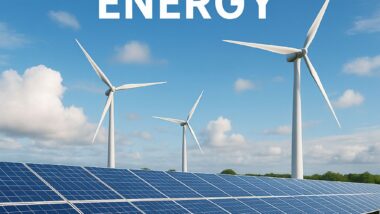

Bio-based materials are products and materials made from renewable biological resources like plants, animals, and microorganisms. They are a sustainable alternative to traditional fossil-fuel-based products, offering advantages such as a smaller carbon footprint and reduced reliance on finite resources.
Common examples include timber, hemp, and bio-based plastics like polylactic acid (PLA), and they are used in many industries, including construction, textiles, and packaging. Biogas is also a Bio-based material.
Key Takeaways
- Bio-based materials are made from living things — plants, algae or leftover biomass — instead of oil or mined minerals.
- They can cut carbon emissions and reduce waste when they are made and used the right way.
- Policy, research and markets must work together to scale production, keep resources sustainable and make sure products perform well.
The European Commission’s new Strategic Framework for a Competitive and Sustainable EU Bioeconomy lays out an ambitious roadmap to scale biotechnology, strengthen industry, and reduce fossil dependencies — while ensuring sustainability and long-term resource security.
What are sustainable bio‑based materials and products? Simply put, they are new materials made from renewable resources like plants, algae or farm residues rather than petroleum or mined raw materials. Think of making plastic from plants instead of oil, or building boards from leftover fibres instead of cutting more trees.
Why do they matter? Using bio‑based materials can help lower a product’s carbon footprint and reduce waste when designers consider how the material is produced, used and recycled. But not every bio‑based choice is automatically better — the source of the biomass, how much water or land it needs, and how the product is handled at the end of its life all affect its true impact.
Read on to learn how policy, research and industry are shaping a future where sustainable materials and bio‑based products become part of everyday life — from clothing and packaging to building materials and chemicals.
EU policy and the roadmap to a bio-based future
The strategy charts a way forward to build a sustainable and a nature-positive bioeconomy by:
- scaling innovation and investments;
- building new lead markets for bio-based materials and technologies;
- ensuring sustainable biomass supply across value chains and
- harnessing global opportunities.
What each pillar means (in simple words)
1. Scaling innovation and investments
This means giving money and help to research teams, start‑ups and factories so they can make new materials and improve how they work. Grants, loans and pilot plants speed up production.
For example, research might turn plant sugars into a solvent that replaces a petroleum-based one. More investment usually brings prices down, which helps customers buy sustainable products more often.
2. Building new lead markets for bio‑based materials and technologies
Markets are where things are sold. The plan helps create demand for bio‑based products so shops and industries start to use them.
That could mean public buying rules asking for bio‑based materials in buildings, or shops stocking bioplastic packaging. When buyers choose these products, industries change the kinds of materials they produce.
3. Ensuring sustainable biomass supply across value chains
“Biomass” means plants, algae, farm residues and other biological resources. The strategy wants to make sure biomass is taken from places that do not harm forests or food supplies and that use little extra water or land. An example is using straw or food processing residues instead of growing extra crops on more land.
4. Harnessing global opportunities
Europe can trade ideas and products with other countries. That helps scientists, businesses and workers learn from each other. It also creates markets for materials made in a sustainable way and opens export chances for green technologies.
Short examples you can picture
- Bioplastic packaging in shops made from plant sugars instead of oil‑based plastic.
- Textiles and clothes from bio‑based fibres that meet rules for performance and durability.
- Construction boards made from leftover plant fibres, keeping trees standing.
- Biochemicals (like adhesives or solvents) produced by microbes from biomass instead of by cracking petroleum.

Did you know? Making some plastics from plants can lower a product’s carbon emissions, but the final benefit depends on the raw material source, how much water and land it needs, and whether the product is reused, recycled or composted at the end.
How this affects people and jobs
As industries shift from petroleum to biomass, new jobs appear in farming, processing, research and production. Schools and training centres will need to teach new skills. Consumers may see a wider range of products (for example, more sustainable materials for clothing, packaging and furniture) and mixed prices while the market grows.
- For teachers and studentsActivity idea: compare two product labels — one made from oil and one from plants. Find words like “bio‑based content”, “recycled”, or “compostable”.
- Graphic idea: a simple 4‑box diagram showing the four pillars (investment, market, biomass supply, global links) with an icon for each.
The EU strategy connects policy with research and market action so that materials and products built from renewable resources can reach more people and lower carbon footprints. Read the full strategy to learn more: Strategic Framework for a Competitive and Sustainable EU Bioeconomy.
Key takeaways for the bio‑based chemical and materials sector
Key take aways for the bio-based chemical and materials sector:
- Vision: By 2040, sustainable bio-based materials and products such as construction materials, biochemicals, textiles, fertilisers and plant protection products and plastics are widely deployed in the EU.
- Strategy promotes use of biomass for chemicals and materials, over energy.
- The Commission will support public buyers who wish to consider bio-based solutions in relevant procurement processes.
- Under the Packaging and Packaging Waste Regulation, the Commission will: – support the recognition and uptake of bio-based plastics and novel materials, in complementarity with recycled content targets, ensuring a coherent approach across applications; – assess whether EU-wide definitions could support certification and scaling of bio based polymers.
- The Ecodesign for Sustainable Products Regulation (ESPR) will set performance and durability requirements for textiles, including those made from bio-based fibres.
- Support the scale-up of industrial biotechnology for the production of bio-based chemicals; stimulate demand for and production of bio-based chemicals, such as the possible introduction of bio-based content requirements for certain products placed on the EU single market.
In plain words
- 2040 vision: The EU hopes that many products we use every day — from building materials and clothes to some plastics and fertilisers — will be made from plants, algae or other biological resources rather than oil.
- Using biomass wisely: The plan prefers using biomass to make materials and chemicals instead of just burning it for energy. This helps create valuable materials and reduces waste.
- Public buying power: Governments can help the market by choosing bio‑based material options when they buy things like road signs, office furniture or uniforms.
- Packaging rules and labels: The Packaging Regulation will try to make sure bio‑based plastics are recognised and that they work alongside recycled materials. The aim is clearer labelling and possible EU definitions so buyers know what they are getting.
- Better products by design: The Ecodesign rules (ESPR) will ask for good performance and longer life for products like textiles — including those made from bio‑based fibres.
- Scaling biotech: The EU wants more industrial biotechnology — factories where microbes and plants help make chemicals. This could include rules that ask for a certain bio‑based content in some products on the EU market (if introduced).

Examples and real uses
- Construction materials: Panels made from plant fibres can replace some wood‑based or mineral boards, saving trees and reducing some emissions.
- Biochemicals: Solvents, glues and paints can be made from biomass instead of petroleum through industrial biotechnology.
- Textiles: Clothes and home fabrics can use bio‑based fibres that meet performance and durability rules.
- Fertilisers and plant protection: Products made from biological sources can help grow food with fewer synthetic inputs.
- Plastics: Some packaging and single‑use items can be made partly from plant sugars or other biomass rather than petroleum‑derived polymers.
Quick balance noteNot every bio‑based choice is automatically better. The true environmental gain depends on the raw material, how much land and water it needs, the energy in production, and what happens to the product at the end (recycling, composting or landfill). Good research, transparency and rules help spot the best options.
What children and families can do
- Look for labels that explain if a product is bio‑based or how much bio‑based content it has.
- Choose durable products and avoid single‑use items when possible to reduce waste.
- Ask schools or councils about buying choices — public buyers can prefer sustainable materials.
- Learn more: compare a plant‑based product label with a regular product and talk about the differences.

Conclusion: A practical future
To reach the 2040 vision, policy, research, industry and consumers must act together. Policy sets rules and buys sustainably. Research improves performance and reduces emissions. Industry scales up production and creates more affordable options. Consumers choose wisely and push the market for better materials and products. The result could be a world where many materials are made from renewable resources, helping lower carbon and reduce waste while meeting people’s needs.
FAQs
Q1: What are bio‑based materials?
They are materials made from living sources like plants, algae or residues from food and farming, instead of from petroleum or mined minerals.
Q2: Are bio‑based products always better for the environment?
Not always. Some reduce carbon and waste, but others need lots of land or water. The benefit depends on the raw material, how it is made and what happens to it after use.
Q3: Where do bio‑based products come from?
They come from crops, plants, fast‑growing trees, algae, or residues such as straw or food processing leftovers. Using residues can avoid extra land use.
Q4: Will bio‑based products cost more?
At first, some may cost more because of a smaller production scale. As research and production grow and public buyers choose them, prices usually fall and choices widen.
Q5: How can I tell if a product is truly bio‑based?
Look for clear labelling, information on bio‑based content, and trusted certification. The EU is working on rules and definitions to improve transparency so buyers can see what they’re getting.
Further reading: Read the full EU strategy here: Strategic Framework for a Competitive and Sustainable EU Bioeconomy. For classroom resources, ask your teacher to search “EU bioeconomy education” or check local research centres for materials and activities.
A Success Story: LFG-to-Energy Conversion Units Transforming Landfill Gas in California
California's landfill gas-to-energy conversion units are redefining waste management by transforming captured methane into electricity, renewable natural gas for vehicles, and liquefied natural gas. These advancements mark a significant step towards sustainability, reducing carbon footprints and turning waste into a valuable, clean energy resource…
Best Low Carbon Farming Practices & Techniques
Farmers are turning to low carbon techniques like no-till farming and precision agriculture to combat climate change. These practices not only reduce emissions but also improve soil health and farm profitability, offering a resilient future for agriculture as weather patterns grow increasingly unpredictable…
Which Gas is Produced from Landfill Waste: The Gas that Trash Produces…
Discover which gas is produced from landfill waste and understand its environmental impact and potential energy use. Explore landfill gas management.

Biogas Innovators Take Centre Stage: The World Biogas Awards 2024
Since 2011, a prestigious ceremony has been quietly moving the world on a path back to sustainability – not with flashy gadgets or social media trends, but with something far more fundamental: biogas innovation. The annual AD and Biogas Industry Awards, held in Birmingham, UK, celebrate the brilliance behind this renewable energy source, recognizing the […]