The environmental effects of coal-burning are huge. But, many nations continue to develop coal power stations despite the promises made to begin to phase out coal as an energy source made during the COP26 Climate Change Conference in Glasgow in November 2021.
Coal combustion is the most polluting method of producing electricity, with serious environmental consequences. In addition to the production of greenhouse gases by coal combustion, many other harmful compounds are released during this process.
However, environmental issues are not limited to the burning process. Coal extraction, transportation, storage, and disposal all contribute to additional environmental problems.
Coal Combustion Technology
However, the amount of pollution produced by coal combustion varies depending on the technology used. New coal-fired power plant technology is emerging that has the potential to reduce the amount of greenhouse gas and other harmful compounds released during the combustion process.
This new technology, known as integrated gasification combined cycle (IGCC) combustion, claims to significantly reduce harmful emissions. Despite the reductions in pollution caused by the use of IGCC technology, coal-fired power plants will continue to have a negative impact on the environment.
Air Pollution
Without considering the environmental impacts of mining and transporting coal, the burning process alone causes a slew of issues.
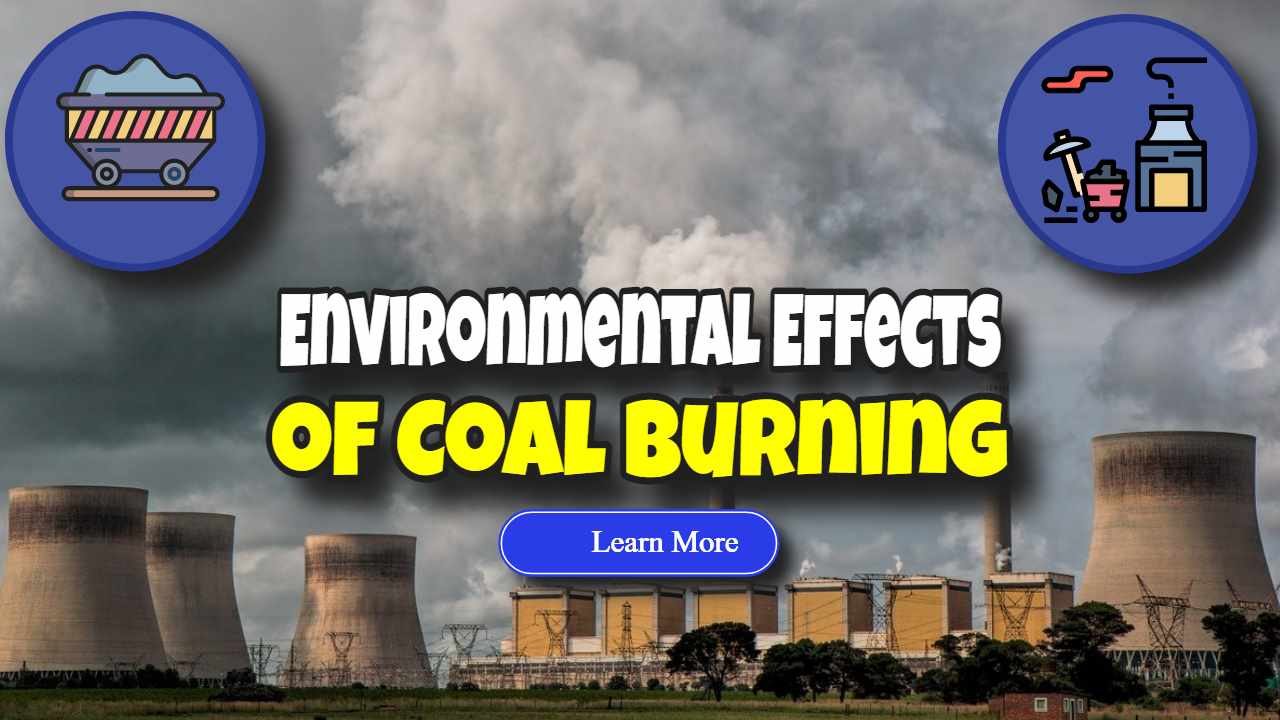
Air pollution is a major cause of environmental degradation because it emits large amounts of carbon dioxide, which contributes to increased global warming.
Acid rain and lung problems in humans and animals are caused by the release of sulphur dioxide and nitrous oxides into the atmosphere.
Smaller amounts of mercury, arsenic and lead are also produced, and these heavy metals have serious health consequences for all living organisms.
Ash From the Burning Process
The waste produced by the burning process is also extremely hazardous to the environment. The sludge produced by smokestack scrubbers is toxic, containing a variety of heavy metals that may contaminate the environment.
Because much of this waste is stored on-site at the power plant, it can easily enter the local water supply.
The water used to cool the coal-burning equipment is frequently sourced from a nearby body of water and then simply pumped back after use. This hot water, which is frequently laced with chlorine or other chemicals, may then cause other environmental issues.
Extraction and Transportation of Coal
Finally, the extraction and transportation of coal to a power plant have a variety of environmental consequences.
Because coal is primarily mined near the surface, many of the above-ground ecosystems are degraded or destroyed. Furthermore, the environmental effects of coal are not limited to the land surface where the coal is mined.
Coal is typically transported over long distances by diesel trains, which emit additional carbon dioxide and other harmful compounds.
Coal dust is also produced and adds to the amount of particulate matter in the air.

Carbon Management Software & Climate Consultants: Best Tools for Businesses & Compliance Teams
You know how carbon data can look manageable in a spreadsheet until finance, procurement and legal each need a different answer from it? That is where carbon management software earns its place, turning scattered utility bills, purchasing records and supplier data into a controlled process for carbon accounting, sustainability reporting and decarbonisation. The key distinction […]

Decentralized Renewable Energy Decarbonisation Solutions & Innovations
Decentralized renewable energy (DRE) is changing the energy landscape by generating power near the point of use, enhancing efficiency and equity. This local approach empowers communities while tackling energy access and decarbonization, making it a critical solution for a sustainable future…

Maritime Decarbonization Options: Alternative Fuels Guide
Maritime decarbonisation is the strategic process of reducing greenhouse gas emissions in shipping. From LNG to biofuels, ammonia, and hydrogen, each alternative fuel offers unique benefits and challenges. Shore power, often overlooked, can significantly reduce port emissions without altering vessel fuel systems…

Energy Security Without Fossil Fuel Lock-In: Why Sustainable Bioenergy Still Matters
In times of geopolitical tension and energy market instability, governments are often tempted by what look like simple answers. More domestic fossil fuel production. More natural gas infrastructure. More emphasis on short-term supply over long-term transition. At first glance, those responses can sound practical. They promise reliability, affordability, and control. But in reality, they risk […]